
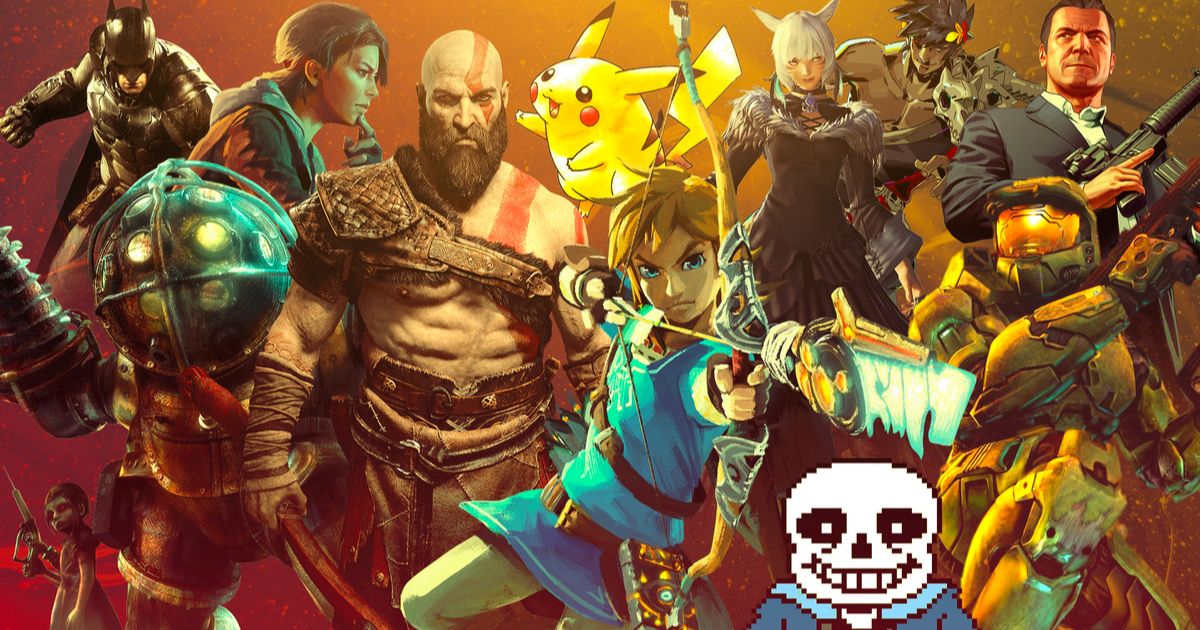
Video games have come a long way since the early days of arcade cabinets and pixelated screens. Over the decades, certain games have shaped the industry in powerful and lasting ways—introducing new ideas, defining genres, and influencing how games are created and played. These titles did more than entertain; they transformed gaming into the global cultural force it is today. Here are some of the most influential games of all time and why they matter.
1. Pong (1972)
No list of influential games is complete without Pong. Often considered the first commercially successful video game, Pong proved that interactive entertainment had mass appeal. With its simple design—a ball bouncing between paddles—it opened the door for the gaming industry to take shape. Without Pong, the rise of arcades and home gaming might have looked very different.
2. Pac-Man (1980)
Pac-Man introduced character-driven gaming in an era dominated by shooters. Its iconic maze, ghosts, and unforgettable main character made it one of the most recognizable games in history. It also helped broaden gaming’s audience, appealing to both casual players and non-gamers. Beyond gameplay, Pac-Man became a cultural symbol, influencing music, TV, and merchandise.
3. Super Mario Bros. (1985)
When the video game industry was recovering from the 1983 crash, Super Mario Bros. played a crucial role in restoring consumer trust. Its tight controls, creative level design, and lovable characters set a new standard for platformers. Mario became gaming’s most iconic mascot, and the game’s success solidified Nintendo as a global leader in entertainment.
4. The Legend of Zelda (1986)
The Legend of Zelda redefined what video games could be. It introduced players to large interconnected worlds, hidden secrets, and complex puzzles. More importantly, it pioneered the concept of saving progress—something we now take for granted. Zelda’s influence can be seen in countless adventure and open-world games that followed.
5. Doom (1993)
The first-person shooter genre owes much to Doom. With its fast-paced action, networked multiplayer, and modding support, Doom became a cultural phenomenon. It shaped the future of competitive FPS gaming and inspired an entire generation of developers. The term “Doom clone” was commonly used before “first-person shooter” became the norm.
6. Pokémon Red & Blue (1996)
Pokémon turned handheld gaming into a global craze. The “catch ’em all” formula, combined with trading between devices, created a social gaming experience unique for its time. The franchise went on to become one of the most successful in entertainment history—spanning TV, movies, toys, and massive competitive communities.
7. The Sims (2000)
The Sims broke away from traditional action or story-driven games by offering a life simulation experience with no defined ending. Players controlled virtual characters, built homes, and created stories of their own. Its sandbox style influenced countless sim and creative games, fostering freedom and self-expression that still resonates today.
8. Grand Theft Auto III (2001)
GTA III transformed open-world gaming with its living city, branching missions, and freedom to explore. It proved that video games could deliver cinematic narratives while giving players control over sprawling digital environments. Its impact is evident in modern open-world giants like Red Dead Redemption, Watch Dogs, and Saints Row.
9. Minecraft (2011)
Few games have shaped modern gaming like Minecraft. Its blocky, open-ended sandbox world encourages creativity, exploration, and survival. It became a cultural and educational tool, teaching children coding, architecture, and problem-solving. With its endless possibilities, Minecraft continues to influence indie development and gaming communities worldwide.
10. Fortnite (2017)
Fortnite revolutionized the battle royale genre and changed how games engage with players. Its free-to-play model, constant updates, and in-game events blurred the lines between gaming, social media, and entertainment. Fortnite set the standard for live-service games and became a digital space where millions gather to socialize, compete, and watch virtual concerts.
These titles represent more than just fun memories—they’re milestones that shaped the direction of the gaming industry. Their innovations continue to influence game design, technology, and culture, proving that great games don’t just entertain; they leave a legacy.