
Introduction
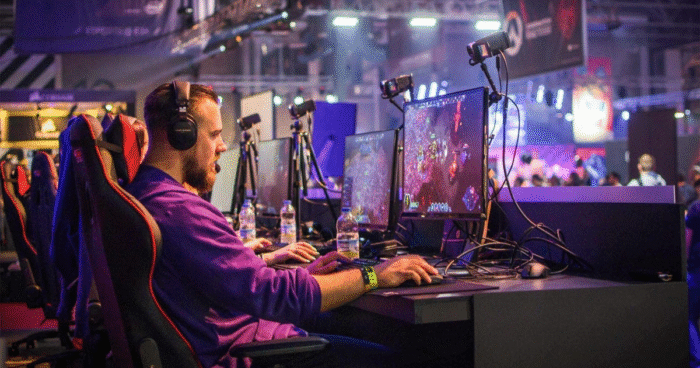
Esports has exploded from niche LAN tournaments to stadium-filling spectacles and multi-million-dollar industries. What was once a weekend hobby culture has matured into a professional ecosystem with teams, coaches, media deals, university scholarships, and fans who treat tournaments like major sporting events. But that rise didn’t happen overnight — it’s the result of technological shifts, cultural acceptance, and savvy business models that turned players into athletes and viewers into passionate communities.
The Technological Foundation
Esports’ ascent began with the internet. High-speed broadband and stable online play made competitive multiplayer a possibility on a global scale. Titles like Counter-Strike, Quake, and StarCraft were early pioneers; they offered tightly balanced gameplay where skill mattered and matches were thrilling to watch. When streaming platforms such as Twitch launched, they provided a direct line from players to millions of viewers. Suddenly, a local star could become a worldwide celebrity overnight.
Streaming didn’t just amplify viewership — it created personalities. Fans tuned in not only for the gameplay, but for the caster’s excitement, a streamer’s reaction, and the real-time chat community. That social component turned static tournaments into dynamic, interactive entertainment.
Game Titles as Sports Leagues
Different genres developed their own professional scenes. MOBAs like League of Legends and Dota 2 build massive global infrastructures — regional leagues, franchised teams, and multi-stage international championships. First-person shooters like CS: GO and Valorant built competitive circuits with intense tactical play. Fighting games, racing sims, and sports titles found their niches, too. Each genre brings unique production and viewership models but shares the same ingredient: high-level skill on full display.
Publishers realized the value and invested heavily. Large prize pools, sponsorship deals, and andbroadcast-qualityy production took the experience from bedroom streams to primetime-like spectacle. The International (Dota 2), for example, pushed the envelope with prize pools fueled by community contributions, creating huge stakes and dramatic narratives that drew mainstream attention.
The Business Model and Ecosystem
Esports’ revenue model rests on several pillars: advertising and sponsorships, media rights and broadcast deals, ticket sales for live events, merchandise, and increasingly player-driven revenue through content and streaming. Big brands — from energy drinks to luxury cars — sponsor events and teams because esports reaches a massive, young, and engaged demographic.
Teams evolved into more than just players: they are brands. Organizations like TSM, G2, and Team Liquid run content operations, signing streamers and influencers to diversify income. Universities now award esports scholarships, and some regions even recognize esports as formal sports initiatives. This institutionalization brings stability but also corporate complexity.
Challenges and Growing Pains
Esports isn’t all glamour. The industry faces sustainability issues: short player careers, burnout, mental health pressures, exploitation concerns, and the fact that games (and tournaments) are ultimately controlled by publishers. Unlike traditional sports, where leagues operate independently of equipment manufacturers, esports relies on companies that own IP and can change rules, monetization, or competitive balance at will.
Player welfare is an increasing focus. Training regimens mirror pro sports — analysts, coaches, nutritionists — but contracts can still be precarious. As the market matures, best practices for player contracts, healthcare, and career transition are crucial.
Cultural Impact and Mainstream Acceptance
Esports has influenced mainstream culture: celebrities appear at events, music artists perform during intermissions, and broadcasters include esports in wider entertainment coverage. The format has also changed how media is consumed — on-demand highlights, TikTok clips, and interactive streams make esports content bite-sized and viral. Young audiences who might skip traditional sports are deeply invested in esports narratives and personalities.
The Road Ahead
Expect growth in production value, data-driven analysis, and deeper integration with streaming platforms. Emerging tech — cloud play, AR/VR spectator experiences, and sophisticated analytics — will reshape the viewing experience. Mobile esports will continue exploding, especially in regions where mobile devices outnumber consoles and PCs. League structures may further corporateize, but the grassroots scenes will remain vital for discovery and innovation.
Conclusion
Esports transformed from a hobby to an industry by combining skillful gameplay, community-driven culture, and platform-driven distribution. It faces real challenges, but the momentum is real: players are athletes, teams are brands, and fans? They’re building an entire culture around competitive play. That’s the rise of esports — raw, messy, and endlessly compelling.