Introduction
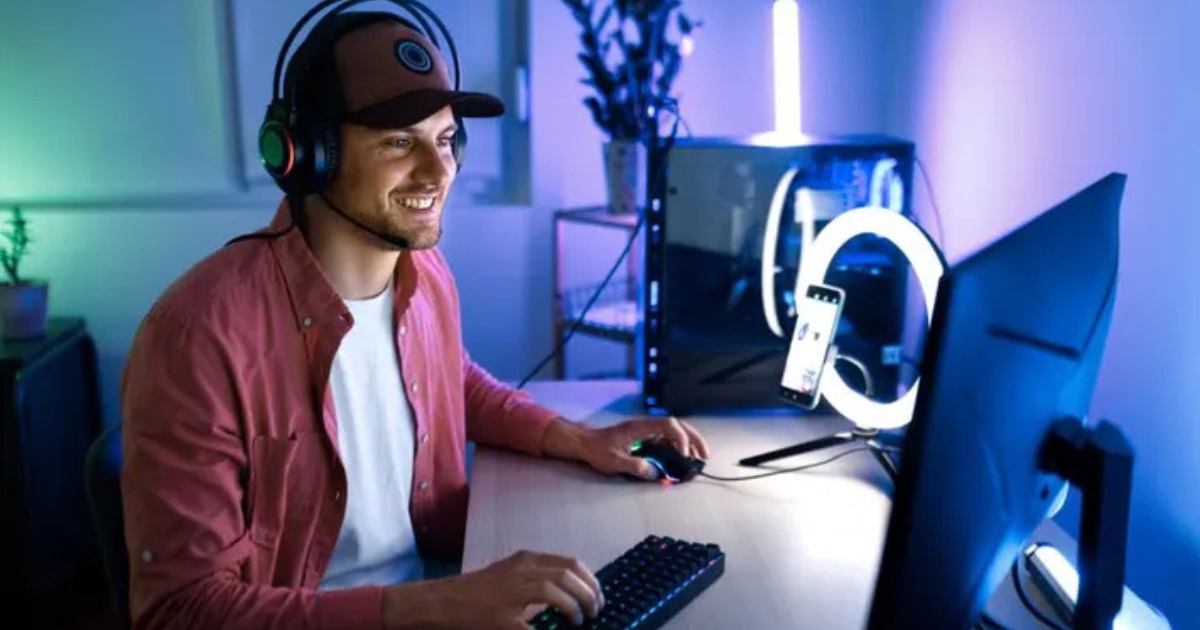
Business of Streaming Ten years ago, playing video games on camera sounded like a niche hobby. Today, it’s a billion-dollar industry. Streaming isn’t just entertainment — it’s marketing, community, and entrepreneurship rolled into one. Platforms like Twitch, YouTube Gaming, and Kick have turned everyday gamers into influencers with the power to move markets and shape culture.
From Basement Streams to Broadcast Studios
The early days of streaming were humble — laggy webcams, pixelated gameplay, and zero overlays. But passion made it work. As internet speeds improved, gamers realized people didn’t just want to play games — they wanted to watch others play.
Enter Twitch (founded in 2011). It revolutionized live streaming, turning what was once a niche into mainstream entertainment. Today, millions tune in daily to watch competitive matches, cozy chill streams, and marathon charity events.
Why People Watch
The appeal of game streaming isn’t just about gameplay — it’s about personality. Viewers connect with streamers who make them laugh, teach them something, or feel like part of a community. It’s modern companionship — digital but genuine.
-
Entertainment: Great streamers are storytellers, turning even mundane games into captivating experiences.
-
Education: Tutorials, speedruns, and strategy breakdowns make learning part of the fun.
-
Community: Chat interaction turns streams into shared experiences.
-
Authenticity: Unlike TV, streaming feels raw, real, and unscripted.
The Economics of Streaming
Top creators earn from multiple sources:
-
Subscriptions (monthly support from fans)
-
Donations and tips
-
Sponsorships (brands love loyal, targeted audiences)
-
Ad revenue
-
Merch and affiliate links
A handful of elite streamers earn millions annually, but even mid-level creators can make sustainable incomes by building niche audiences.
The Rise of Esports and Co-Streaming
Streaming has also become the backbone of esports. Major tournaments are streamed live to millions, while commentators (“co-streamers”) offer alternative viewing experiences. Some fans prefer their favorite personality’s commentary to the official broadcast — a testament to how influencer culture reshaped viewership.
Challenges Behind the Camera
Streaming looks glamorous, but it’s exhausting. Long hours, performance pressure, algorithm changes, and mental burnout are real issues. Many streamers report anxiety about “falling off” — losing momentum means losing income.
Platforms are starting to respond with better monetization tools and mental health initiatives, but the lifestyle remains demanding.
The Future of Streaming
AI-driven moderation, virtual avatars (VTubers), and interactive audience participation will define the next phase. Expect hybrid entertainment — where games, storytelling, and live interaction merge into something new.
Conclusion
Game streaming transformed hobbyists into icons. It blurred the line between player and performer, community and audience. Whether you’re broadcasting to 10 people or 10,000, one thing’s certain — the power of gaming has never been more personal, public, or profitable.