
Introduction
For decades, gaming was stereotyped as “a guy thing.” But that narrative was never true — and it’s changing fast. Women have always been part of gaming’s DNA, from developers and designers to professional players and streamers. Today, they’re leading the charge toward inclusivity, representation, and change.
Breaking Barriers
Women gamers have existed since the earliest days — Myst, Tetris, and The Sims were designed with or by women and played by millions of female gamers. Yet for years, women faced stereotypes, harassment, and underrepresentation both on-screen and behind the scenes.
Now, things are different. Female streamers dominate Twitch, women-led dev studios produce award-winning games, and female pros are competing — and winning — in esports tournaments once dominated by men.
Representation in Games
Representation matters. Early game design often portrayed women as damsels or background characters. Today, female protagonists are complex, layered, and powerful. Think Aloy from Horizon Zero Dawn, Ellie from The Last of Us, or Bayonetta — diverse characters who reflect strength and nuance.
Studios are realizing that players want variety — not tokenism. Games that feature authentic female narratives resonate universally.
Women in Esports
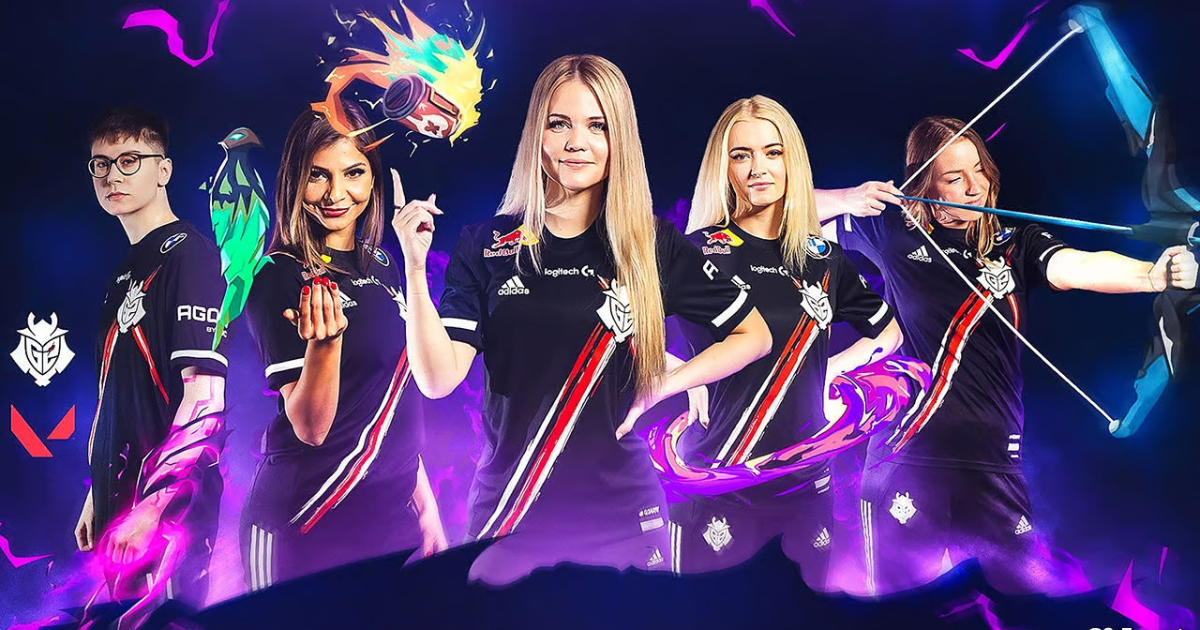
Esports remains male-heavy, but women are rising fast. Teams like G2 Gozen and organizations such as Valorant Game Changers showcase competitive female talent. Events and leagues built around inclusivity are making headlines — not as “female-only” spaces, but as equal competitive platforms.
Streaming has also given women direct access to audiences, bypassing gatekeeping. Female creators like Pokimane, Valkyrae, and Loserfruit aren’t just entertainers — they’re CEOs, brand founders, and cultural leaders.
The Industry Shift
Gaming companies are slowly diversifying leadership. Initiatives for safer work environments and representation in hiring are growing. Big studios now know diversity isn’t charity — it’s good business and good storytelling.
The Power of Community
Women-led gaming communities and advocacy groups are creating safer spaces for all players. Online toxicity remains an issue, but with stronger moderation tools, awareness, and solidarity, change continues.
Conclusion
Women aren’t “new” to gaming — they’ve been here all along. The difference now is visibility, voice, and empowerment. The future of gaming isn’t male or female — it’s everyone.