
Introduction
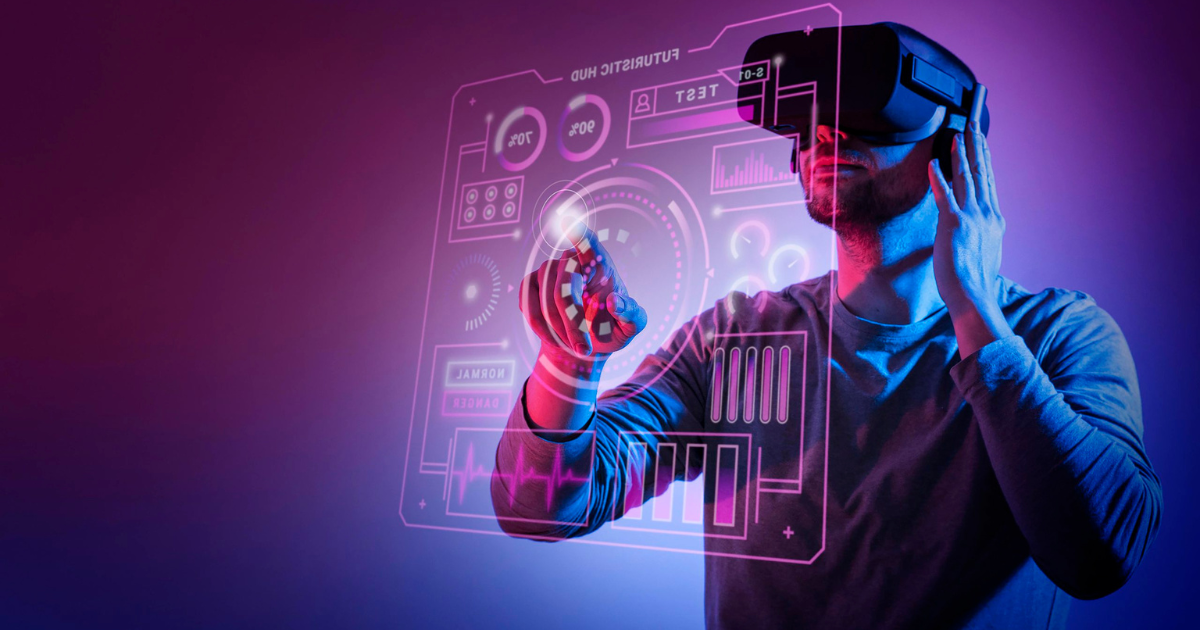
Put on a headset, grab your controllers, and step inside. Virtual reality (VR) isn’t science fiction anymore — it’s gaming’s boldest frontier. And beyond VR lies the “metaverse,” a persistent digital universe where games, social life, and commerce merge. But is this really the future — or just another buzzword?
The VR Revolution
VR gaming has come a long way from its clunky beginnings. Devices like the Oculus Quest 3, PlayStation VR2, and Valve Index now offer stunning visuals and near-zero latency. Titles like Half-Life: Alyx proved that VR can deliver deep, cinematic experiences — not just gimmicks.
Immersion is VR’s superpower. You don’t just play the game — you inhabit it. Looking around in Skyrim VR or ducking in Superhot VR feels transformative.
The Social Side — Welcome to the Metaverse
The “metaverse” extends VR beyond games. It’s a connected world of persistent avatars, virtual hangouts, and shared experiences. Platforms like VRChat and Horizon Worlds are early prototypes — digital playgrounds where users can socialize, build, and create their own content.
Imagine attending a concert, shopping in virtual stores, or watching esports in a stadium — all inside a headset. That’s the vision companies like Meta and Epic are investing billions in.
Challenges to Overcome
The road isn’t smooth. Hardware costs, motion sickness, and limited software libraries slow adoption. Plus, not everyone wants to live inside a headset for hours.
Privacy is another concern — VR data (like hand tracking and eye movement) reveals deeply personal information. Without ethical safeguards, the metaverse could become a surveillance nightmare.
The Potential
Despite challenges, the future looks bright. VR fitness titles like Beat Saber and Supernatural redefine workouts. Virtual workspaces and education environments are growing.
And with AR (augmented reality) merging into VR, we’re heading toward mixed reality — where the digital and physical truly blend.
Conclusion
VR and the metaverse represent gaming’s next evolution — not a replacement for traditional play, but an expansion of it. As technology improves, we’ll see entire worlds built not on screens, but around us. The future gamer won’t just play — they’ll live the experience.